




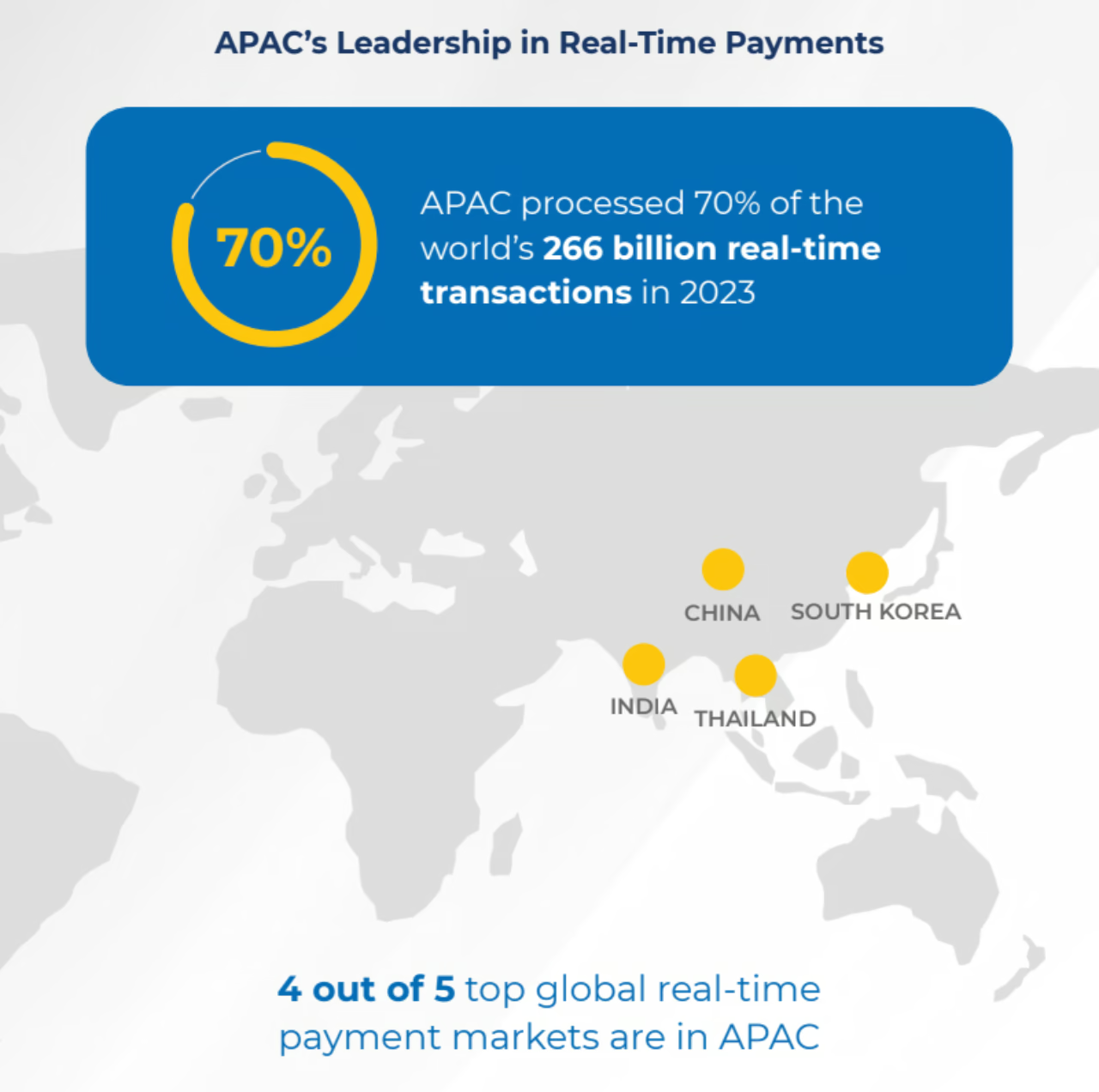
APAC has solidified its position as the leader in global real-time payments, processing nearly 70% of the world’s 266 billion transactions in 2023.
What makes APAC unique is its blend of diverse regulatory frameworks and a multitude of exotic currencies, creating a dynamic payments environment.
The region is home to four of the top five global real-time payment markets by volume, showcasing APAC’s strategic measures to lead the global payments landscape.
By 2028, APAC’s transaction volume is projected to rise to 351 billion, driven by rapid adoption and advancements in the real-time payments landscape as reported in Global Data’s Prime Time for Real-Time Report 2024.
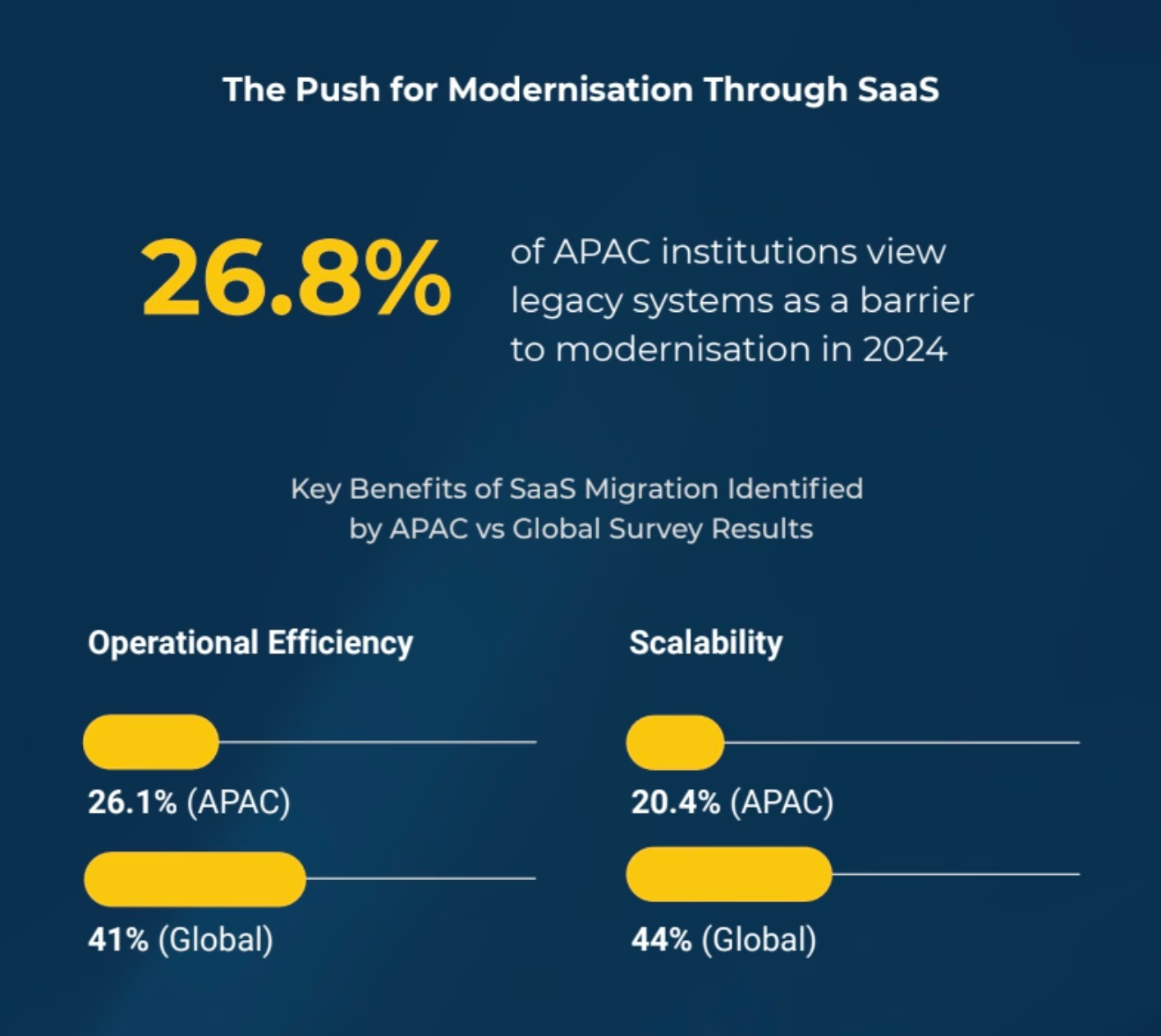
B2B payments service provider Bottomline’s Competitive Banking Survey and Report 2024 highlights that 26.8% of APAC respondents still view legacy systems as a significant obstacle to modernisation.
While domestic payment innovation is advancing, the region faces persistent challenges in addressing cross-border complexities and meeting evolving customer expectations—issues shared by global counterparts as well.
These challenges underscore the pressing need for transformation, with further insights into these dynamics explored in this article.
The Push for Modernisation
Legacy infrastructure remains a critical barrier for many APAC financial institutions.
While the proportion of respondents citing this as a challenge decreased from 32% in 2023 to 26.8% in 2024, modernisation is still an ongoing necessity.
Meanwhile, globally, the urgency to modernise is rising, with 40% of respondents highlighting legacy systems as a pain point, compared to 18.5% the previous year.
This shift underlines the global race to upgrade core systems, particularly with looming deadlines for regulatory mandates like ISO 20022.
SaaS solutions emerged as a key enabler of modernisation, with 26.1% of respondents in APAC and 41% globally highlighting operational efficiency as a key benefit, while scalability was cited by 20.4% in APAC and 44% globally.
These percentages showcase the growing recognition of these advantages in driving modernisation efforts worldwide.
Cloud-based and modular architectures simplify integration, enhance innovation, and reduce complexity, empowering payment institutions to stay competitive in an evolving landscape.
These solutions are key to achieving success in the evolving banking sector, enabling institutions to respond swiftly to market demands, and prevent disruption to existing processes whilst also boosting operational efficiency.
By adopting these technologies, APAC and global financial players alike can streamline their operations, overcome legacy infrastructure challenges, and keep pace with regulatory changes.
Additionally, they can bolster fraud prevention capabilities, a critical need as transaction speeds and complexity increases.
These measures are vital for achieving sustainable success in the dynamic banking sector.
Transforming Financial Ecosystems with Real-Time Payments
Real-time payments are transforming the financial ecosystem in APAC.
The region’s innovative efforts, such as linking Singapore’s PayNow with India’s UPI, Malaysia’s DuitNow, and Thailand’s PromptPay, are not only strengthening domestic payment networks but also boosting cross-border commerce and driving economic growth.
While some APAC markets have matured in real-time payment adoption, others are still in the early stages.
However, true maturity lies in fully leveraging these systems to address specific market needs.
For instance, the UK and Europe, despite having long-established real-time payment systems, still face challenges in realising their full potential.
APAC’s focus on cross-border interoperability, in addition to domestic improvements, highlights the region’s commitment to maximising the benefits of real-time payments.
High-adoption markets share several common traits. Regulatory mandates provide clear frameworks for implementation, ensuring compliance and consistency.
These are paired with a value proposition focusing on faster transaction speeds, reliability, and cost efficiency to meet the needs of both senders and receivers.
Practical use cases, including government-backed initiatives like QR code merchant onboarding, further expand accessibility.
In APAC, these combined traits have firmly established real-time payments as a driver of economic growth and financial innovation.
Looking forward in 2025, significant advancements in settlement processes are expected to address common pain points such as delays and high transaction costs.
These developments, driven by regulatory requirements and robust value propositions, are solidifying real-time payments as an essential component of modern financial systems, positioning APAC as a global leader in payments innovation.
Tackling Challenges in Cross-Border Transactions
Globalisation has driven cross-border payment volumes to US$ 190 trillion in 2023, with projections reaching US$ 290 trillion by 2030, as highlighted in The Paypers’ Global Payments and Fintech Trends report 2024.
However, challenges such as high costs, slow processing times, and a lack of transparency persist.

Other hurdles in cross-border payments involve navigating complex compliance requirements, diverse international regulations, varied AML (Anti-Money Laundering) demands, and disparities in data formats and standards, further complicating the landscape.
Bottomline’s Competitive Banking Survey 2024 supports these findings, highlighting that financial institutions in APAC and global markets have identified the two greatest pain points in cross-border business payments: slow or unknown speed of arrival and the cost of maintaining multiple nostro accounts.
These insights align with the G20’s cross-border roadmap targets, which aims to enhance cross-border payments through interoperability, extended RTGS hours, and standardised message formats.
These initiatives promise to reduce financial risks associated with market volatility and streamline reconciliation efforts.
Businesses in APAC, where cross-border transactions can take 5–10 days, stand to benefit significantly from these improvements (The Paypers, Global Payments and Fintech Trends Report 2024).
Aligning with the G20 cross-border targets for 2027 will enable them to streamline operations, reduce delays, and address the persistent challenges of speed and cost in cross-border payments.
ISO 20022: The New Language of Payments
The migration to ISO 20022 is underway, but its pace falls short of industry expectations.
As of November 2024, 26.8% of cross-border traffic was ISO Native, according to Swift.
A recent webinar poll in November from B2B payments service provider Bottomline indicated that 21% of FIs are already able to send in ISO 20022.
However, a staggering 7.5% of FIs in APAC have already indicated that they will not be ready for the November 2025 end of the coexistence period.
This lack of preparedness is particularly alarming as it can lead to increased operational friction and costs, especially within correspondent banking networks that rely on seamless transactions.
With just one year remaining until the end of the ISO 20022 coexistence period, the urgency for financial institutions to meet ISO 20022 requirements and prepare for full compliance is intensifying.
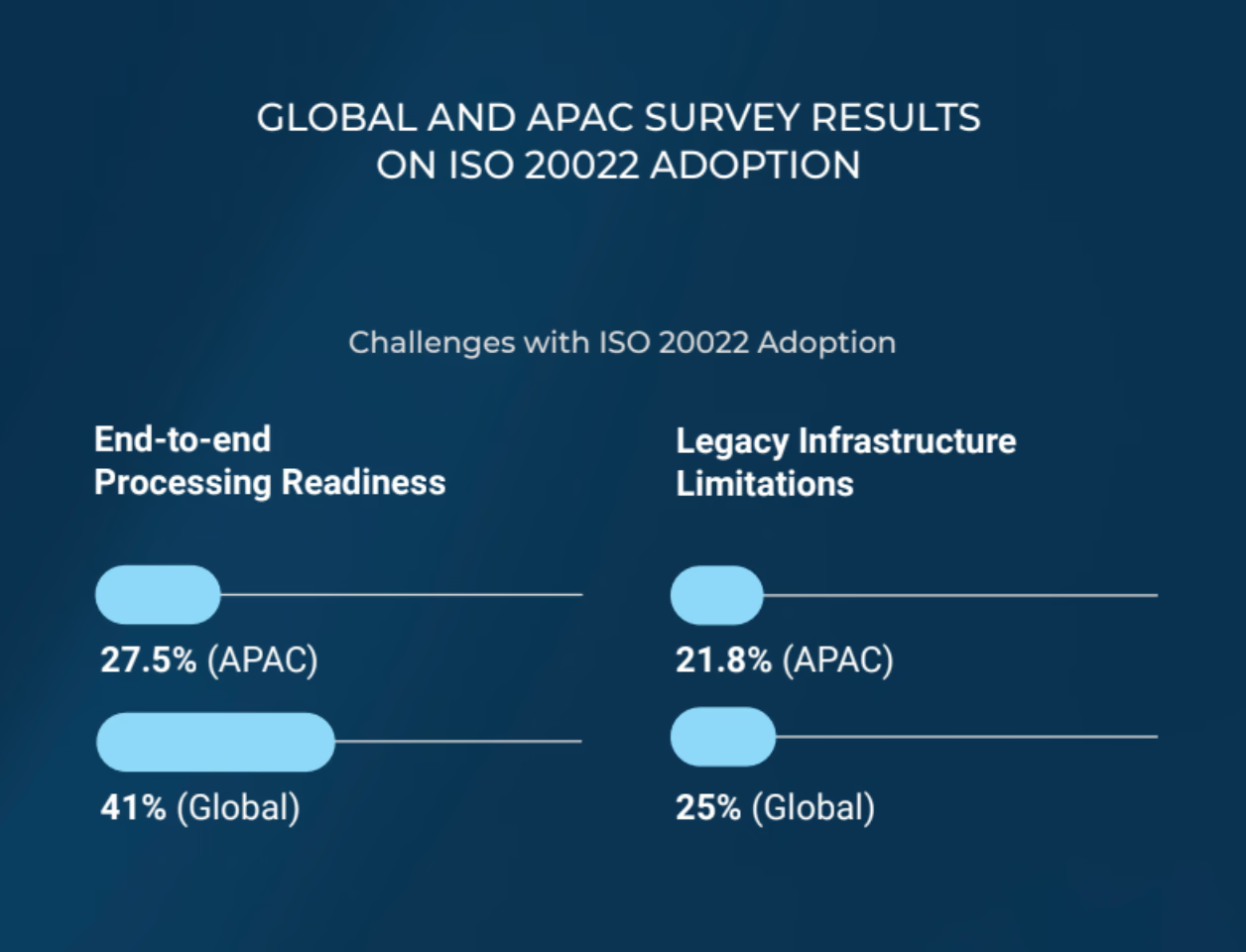
However, significant challenges remain. End-to-end processing chain readiness is cited as the greatest obstacle by 27.5% of APAC respondents and 41% globally, reflecting the complexity of ensuring seamless integration across systems.
Legacy infrastructure’s inability to support additional data structures is another critical barrier, highlighted by 21.8% of APAC respondents and 25% globally.
Despite these hurdles, the potential benefits of ISO 20022 adoption are substantial.
Improved transparency, identified by 22.5% of APAC respondents and 48% globally, promises to enhance data clarity and streamline workflows, facilitating stronger compliance and operational efficiency.
Enhanced fraud monitoring, cited by 19.7% of APAC and 48% globally, offers financial institutions robust tools to mitigate increasing threats.
Additionally, better use of structured data—recognised by 16.2% of APAC and 33% globally—is expected to unlock new efficiencies in processing and analytics.
As the November 2025 deadline approaches, institutions must not only accelerate their readiness efforts but also strategically leverage these advancements to ensure compliance and maintain competitive advantage in a rapidly evolving financial ecosystem.
However, there is evidence that this competitive advantage is being acknowledged as according to Swift, they have engaged with the top 175 banks globally, which represent 80% of volume, and they have confirmed that they will be ready for November 2025.
Additionally, their analytics suggest that 40% of banks and FIs were ready to send ISO 20022 by the end of 2024.
Fraud Prevention in a High-Speed Payments Landscape
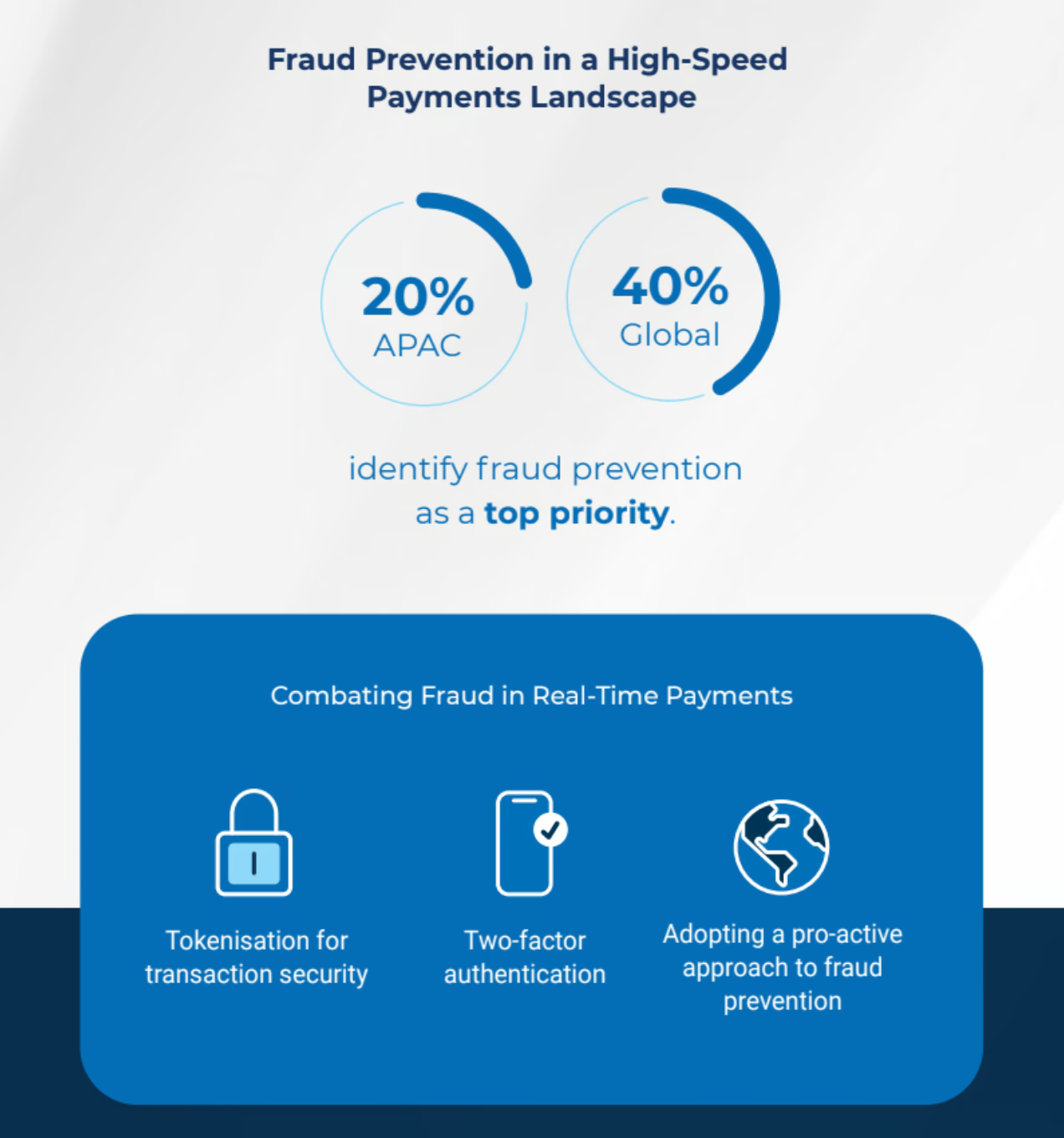
Fraud prevention remains a top concern, with 19.7% of APAC and 40% of global respondents identifying it as a priority.
The rapid rise in transaction speeds, particularly in cross-border payments, has heightened vulnerability to cybercrime.
Fraudsters exploit the complexity of varying regulations and the lack of standardisation across jurisdictions, creating significant risks for financial institutions.
APAC’s leadership in real-time payments highlights the need for advanced fraud mitigation strategies tailored to the region’s unique challenges.
Tools like tokenisation and two-factor authentication are pivotal in combating these threats by enhancing transaction security and reducing exposure to fraud.
Furthermore, cross-border transactions remain a particular vulnerability due to their inherent opaqueness and diverse compliance requirements, necessitating a proactive approach.
According to the 2024 Global Fraud Report by GBG, 97% of fraud prevention professionals express concern over increasingly sophisticated and organised threats.
This emphasises the importance of adopting cutting-edge technologies and collaborative efforts across jurisdictions to stay ahead of evolving fraud tactics.
For APAC, balancing rapid payment adoption with robust fraud defences remains a critical imperative to sustain trust and growth in the payments ecosystem.
Rising to Meet Customer Expectations
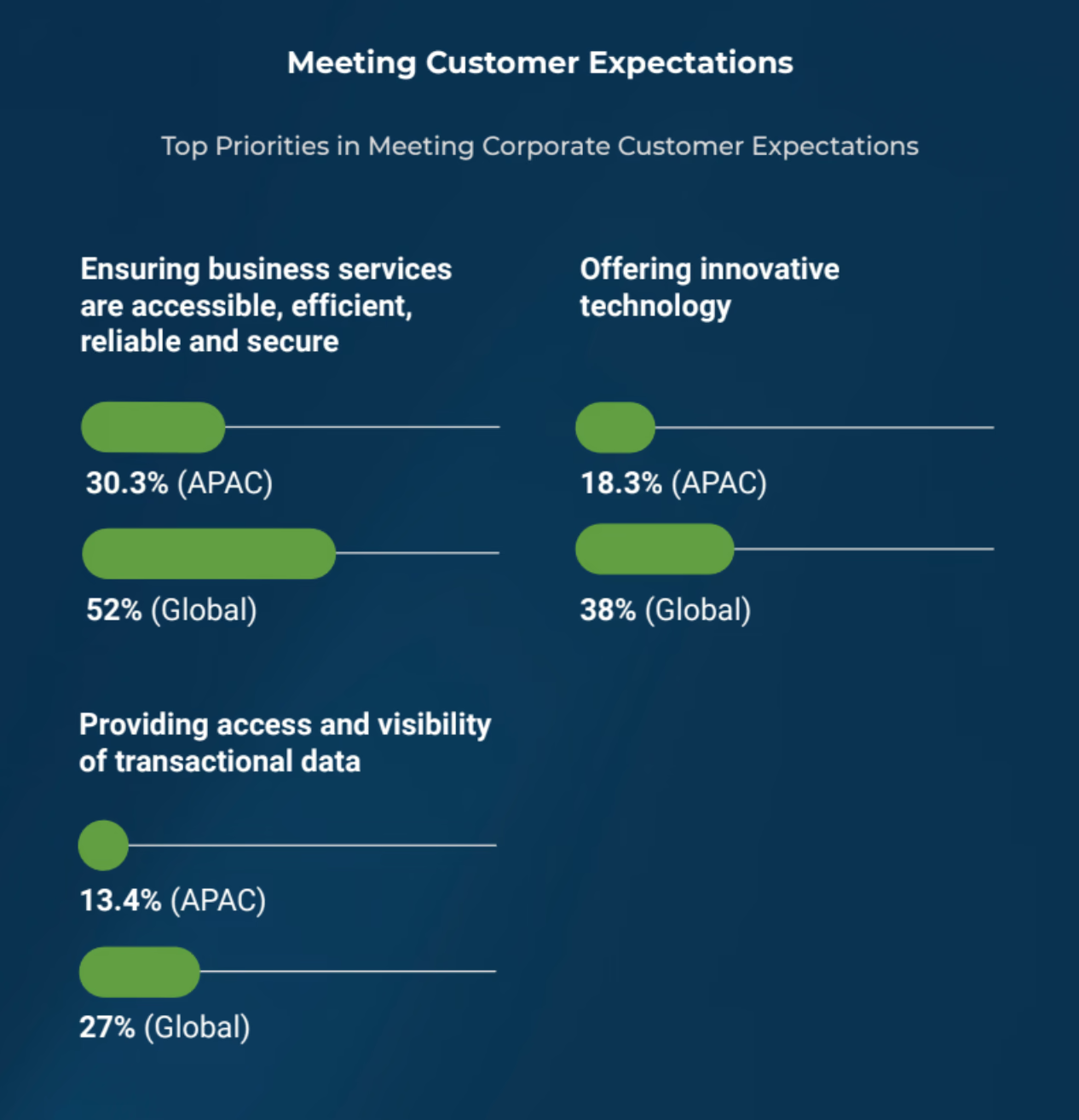
Meeting corporate customer expectations remains a top priority for financial institutions, with 30.3% of APAC respondents and 52% globally identifying accessible, efficient, reliable, and secure business services as critical priorities.
Transaction data visibility, cited by 13.4% in APAC and 27% globally, underscores the growing demand for greater transparency and control over financial processes.
Similarly, 18.3% of APAC respondents and 38% globally highlighted innovative technology solutions, such as improved user experiences and seamless connectivity, as essential to meeting evolving customer needs.
Real-time payment tools play a crucial role in addressing these expectations, particularly in APAC, where 28.2% of respondents found them most useful for cash positioning and reporting.
This is contrasted by 66% of global respondents, who emphasised the importance of these tools for achieving liquidity and visibility goals.
The stark difference in responses between APAC and global counterparts can be attributed to the region’s advanced systems that already meet many liquidity and visibility needs.
Meanwhile, global respondents may place higher importance on these tools as they look to bridge existing gaps and catch up to APAC’s level of maturity.
For institutions navigating this era of transformation, meeting rising customer expectations requires a proactive approach.
Institutions must prioritise the adoption of innovative technologies that enhance transaction transparency, operational agility, and user experience.
Building on advanced tools like real-time payments and cash visibility solutions, institutions can address customer demands for accessible and efficient services.
By aligning their strategies with evolving needs, financial institutions can not only remain competitive but also position themselves as trusted leaders in a dynamic and rapidly transforming market.
The Path Forward: Strategies for Success in Competitive Banking
As APAC continues to drive innovation in real-time payments and financial transformation, financial institutions must adapt quickly to stay competitive.
Legacy infrastructure, cross-border complexities, ISO 20022 migration, and fraud prevention are among the key challenges that require immediate action.
Institutions can navigate these obstacles by leveraging modernisation strategies, embracing new technologies, prioritising customer-centric solutions, and strengthening their position in an evolving market.
