



Tether Holdings, as the issuer of the world’s largest stablecoin by market capitalization, is seeking a private capital raise (akin to venture capital) of up to $20 billion

. If Tether manages to raise that amount (a challenging proposition), it would launch the El Salvador-based company’s valuation somewhere close to $500 billion, alongside valuations for companies such as OpenAI and SpaceX. This would be a remarkable outcome for a cryptocurrency firm that has been under regulatory scrutiny for years, and even as that scrutiny persists, the world remains interested in investing.
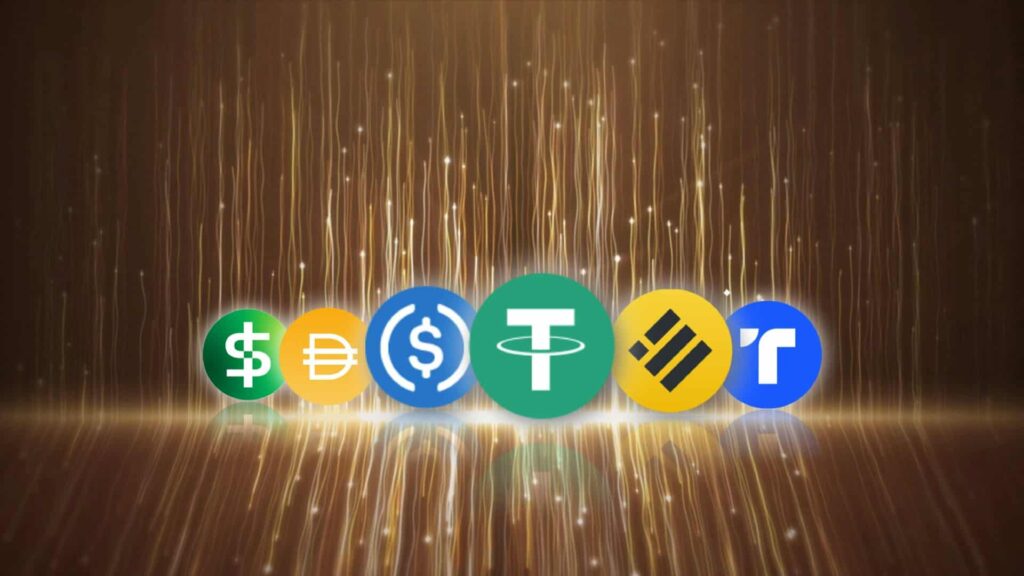
Part of the attraction surrounds Tether’s past positioning, where the company was seen as the firm working to be at the epicenter of digital finance. Tether’s USDT stablecoin, which is pegged to the US dollar, is the most widely used and carries a market capitalization of approximately $172 billion. For many traders and institutions, holding USDT in a crypto wallet enables them to seamlessly transfer between exchanges and assets without the volatility associated with Bitcoin or Ethereum. The stability of the token has made Tether a stable anchor in a space often defined by volatility.
The fundraising itself would involve selling about 3% of the company’s shares through a private placement, according to reports. While the target range is between $15 billion and $20 billion, sources familiar with the talks have cautioned that the final amount could be lower, as negotiations are still in the early stages of development. Cantor Fitzgerald, the New York financial services firm, is advising on the deal. Importantly, the money raised would come from new shares rather than existing investors cashing out, a sign that the company wants fresh capital to support its wider plans.
Tether’s CEO, Paolo Ardoino, confirmed the effort in a post on X, describing the move as part of a larger push to expand into areas such as artificial intelligence, commodity trading, energy, communications, and media. The timing reflects both opportunity and pressure. On the one hand, the company has generated billions in interest from US Treasuries backing its tokens, reporting $4.9 billion in profit in the second quarter of this year alone. On the other hand, falling US interest rates may reduce those earnings, making growth in new sectors all the more important.
The comparison with Circle, which is Tether’s closest competitor, illustrates just how substantial the endeavor is. Circle’s USDC token has a market cap of $74 billion, which is significantly lower than Tether’s. Circle is publicly traded and is worth around $30 billion, which is a tiny fraction of what Tether aspires to get to. If the valuation holds, Tether would not only put even more space between itself and Circle, but would also become one of the most valuable private companies in the world.
At the same time, Tether is getting ready to return to the US after several years of tension with regulators. The company is preparing a new stablecoin, called USAT, to be overseen by U.S. authorities. It has tapped Bo Hines, a former senior official in the White House’s cryptocurrency team, as the chief operator. This is happening while the Donald Trump Administration is taking a pro-crypto stance, including the GENIUS Act, which aims to pave the way for banks and technology companies to issue their own tokens.
Featured image by drawkit on Unsplash
